
Curriculum
-
1
-
(Included in full purchase)
Module 1 Objectives
-
(Included in full purchase)
1.1 Course Introduction
-
(Included in full purchase)
1.2 Orientation
-
(Included in full purchase)
1.3 Peer Support Policies
-
(Included in full purchase)
1.4 Video: Peer Support Policies
-
(Included in full purchase)
1.5 Non-Carceral Support Review
-
(Included in full purchase)
1.6 Video: Non-Carceral Support
-
(Included in full purchase)
1.7 Quiz 1: Non-Carceral Support
-
Preview Video: Intro to Peer Support Free preview
-
(Included in full purchase)
-
2
-
(Included in full purchase)
Module 2 Objectives
-
(Included in full purchase)
2.1 What is Peer Support?
-
(Included in full purchase)
2.2 Peer Support Scope
-
(Included in full purchase)
2.3 Video: Intro to Peer Support
-
(Included in full purchase)
2.4 Quiz 1
-
(Included in full purchase)
2.5 How to Provide Peer Support
-
(Included in full purchase)
2.6 Self-Disclosure and Soft-Sharing
-
(Included in full purchase)
2.7 How to Write Peer Supportive Messages
-
(Included in full purchase)
2.8 Examples of Peer Supportive Messages
-
(Included in full purchase)
2.9 Example 1: Short Message Exchange
-
(Included in full purchase)
2.10 Example 2: Singular Response
-
(Included in full purchase)
2.11 Example 3: Later Check In
-
(Included in full purchase)
2.12 Example 4: Offering Ideas
-
(Included in full purchase)
2.13 Video: Peer Support Examples
-
(Included in full purchase)
2.14 Quiz 2
-
(Included in full purchase)
-
3
-
(Included in full purchase)
Module 3 Objectives
-
(Included in full purchase)
3.1 HOLDing Safer Spaces
-
(Included in full purchase)
3.2 What Does it Mean to HOLD Space?
-
(Included in full purchase)
3.3 Characteristics of HOLDing Space
-
(Included in full purchase)
3.4 Video: HOLD Model Part 1
-
(Included in full purchase)
3.5 Video: HOLD Model Part 2
-
(Included in full purchase)
3.6 Quiz 1
-
(Included in full purchase)
3.7 Applying the HOLD Model
-
(Included in full purchase)
3.8 Examples: Humanizing Only
-
(Included in full purchase)
3.9 Examples: Sharing Ideas, Strategies, and Resources
-
(Included in full purchase)
3.10 Example: Relationship Building Over Time
-
(Included in full purchase)
3.11 Quiz 2
-
(Included in full purchase)
-
4
-
(Included in full purchase)
Module 4 Objectives
-
(Included in full purchase)
4.1 Video: Marginalization and Mental Health
-
(Included in full purchase)
4.2 "Maladaptive" Coping Strategies
-
(Included in full purchase)
4.3 Depathologizing
-
(Included in full purchase)
4.4 Video: Depathologizing
-
(Included in full purchase)
4.5 Quiz 1
-
(Included in full purchase)
4.6 Talking About Suicide
-
(Included in full purchase)
4.7 Examples: Suicide and Trauma
-
(Included in full purchase)
4.8 Normalizing Stigmatized Experiences
-
(Included in full purchase)
4.9 Example of Normalizing Stigmatized Experiences
-
(Included in full purchase)
4.10 Video: Talking about Suicide
-
(Included in full purchase)
4.11 Quiz 2
-
(Included in full purchase)
-
5
-
(Included in full purchase)
Module 5 Objectives
-
(Included in full purchase)
5.1 Relationship Building
-
(Included in full purchase)
5.2 Discord: Building relationships over time
-
(Included in full purchase)
5.3 Tips for Building relationships over time
-
(Included in full purchase)
5.4 Example of Building Relationships
-
(Included in full purchase)
5.5 Unsupportive Example of Building Relationships
-
(Included in full purchase)
5.6 Video: Building Relationships Over Time
-
(Included in full purchase)
5.7 Quiz 1
-
(Included in full purchase)
5.8 Breadcrumbs
-
(Included in full purchase)
5.9 Connection and Disconnection
-
(Included in full purchase)
5.10 Repairing Ruptures
-
(Included in full purchase)
5.11 Quiz 2
-
(Included in full purchase)
5.12 Video: Relationship-Building Skills
-
(Included in full purchase)
5.13 Mirroring Language
-
(Included in full purchase)
5.14 Self-Disclosure and Soft-Sharing
-
(Included in full purchase)
5.15 Instead of Saying...
-
(Included in full purchase)
5.16 Quiz 3
-
(Included in full purchase)
-
6
-
(Included in full purchase)
6.0 Module Objectives
-
(Included in full purchase)
6.1 Reflection Questions
-
(Included in full purchase)
6.2 Next Steps
-
(Included in full purchase)
6.3 Testimonial
-
(Included in full purchase)
Stop wondering how to respond to suicidality and other stigmatized experiences!
Now is the time to boost your peer support practice! Learn how to incorporate the Stronger U HOLD Model and assess your responses through the lenses of multiple marginalization and relevant support. For payment plan requests, please email [email protected] directly.
$600.00
Instructor: Ryder Fox
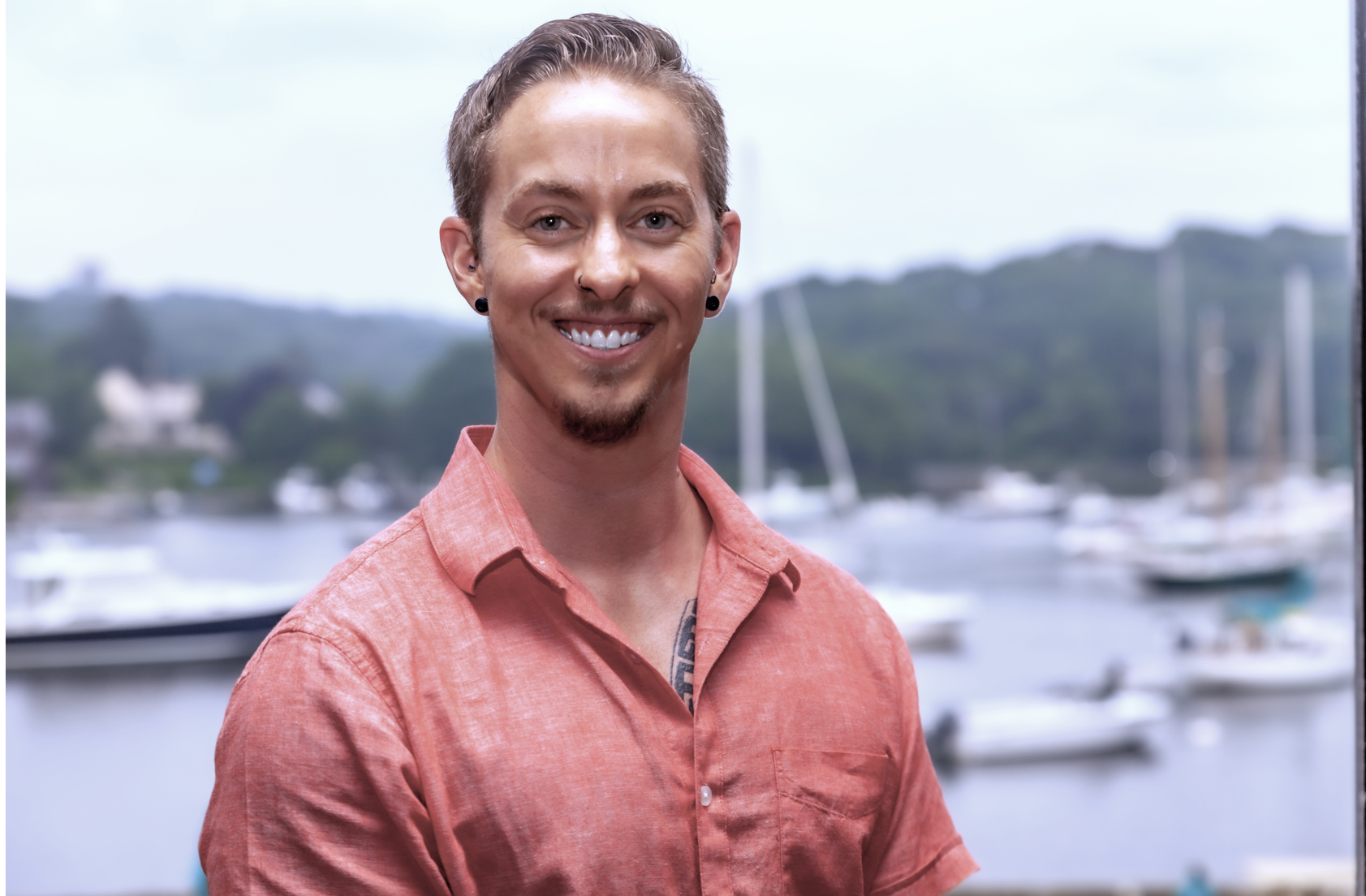
Ryder Fox is the Founder and CEO of Stronger U and the Founder and President of THRIVE Lifeline. They are a trauma-informed wellness coach, educator, systems strategist, and curriculum developer with nearly 30 years of experience supporting people navigating chronic illness, disability, trauma, and other complex life experiences. Over the course of their career, Ryder has logged more than 60,000 coaching hours, mentored hundreds of practitioners, and educated thousands of professionals internationally through courses, conferences, and organizational partnerships. They specialize in helping practitioners develop sustainable, relationship-centered approaches that support clients through chronic health conditions, trauma histories, periods of crisis, and the realities of long-term care. Since founding Stronger U in 2007, Ryder has had the privilege of supporting some clients continuously for nearly two decades—walking alongside them through flare cycles, evolving diagnoses, disability progression, grief, recovery, and life's many uncertainties. Their work emphasizes client autonomy, trauma-informed care, ethical practice, and building helping relationships that remain effective over time. In 2020, Ryder founded THRIVE Lifeline, a nonprofit dedicated to identity-affirming, non-carceral crisis intervention and peer support for multiply marginalized communities. Through THRIVE, they have helped develop innovative educational programs that train practitioners to engage in more humane, autonomy-supportive conversations around suicide, crisis, and complex mental health experiences. Ryder also brings lived experience as a neurodivergent, nonbinary person living with chronic physical and mental health conditions. Their teaching is grounded in the belief that professional expertise and lived experience can work together to create more compassionate, ethical, and effective care. Across every course they teach, Ryder's goal is to help professionals become more thoughtful, confident, and deeply human in the relationships they build with those they serve.